Emergency Dentistry
Emergency Dentistry in Arlington Heights, IL
Associates for General Dentistry offers swift, compassionate treatment of dental emergencies. We can quickly assess your situation, offer pain relief, stop bleeding, treat infections, and determine the safest and most effective treatment plan. Call now to make an appointment for emergency dentistry in Arlington Heights, IL and the surrounding areas.
Get Immediate Relief for Dental Emergencies
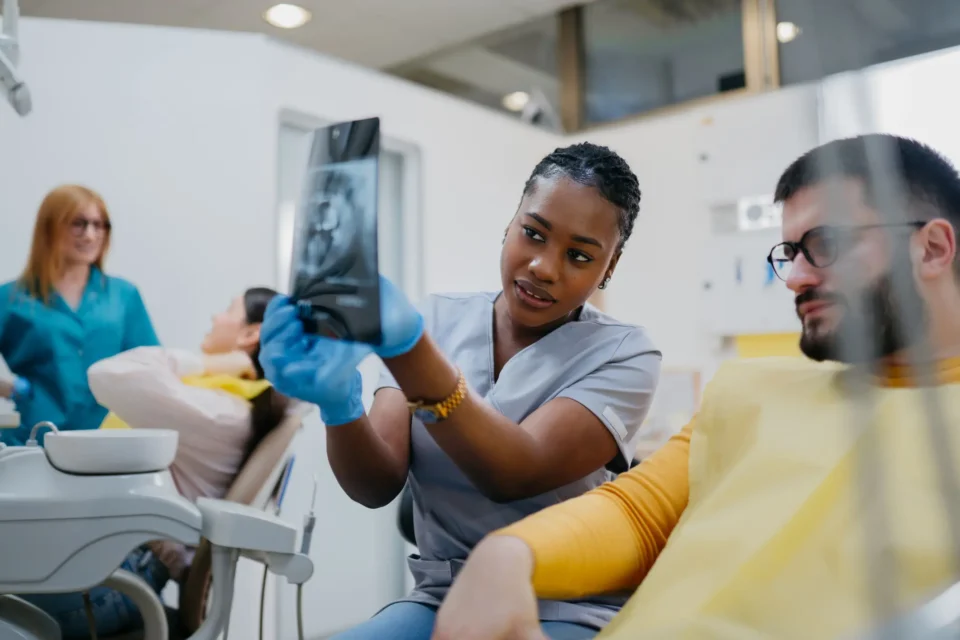
When you are in pain and suffering from a dental emergency, it’s crucial to act quickly. Every second counts, especially if you have swelling, bleeding, infection, or a knocked out tooth. When you call our office, we will do everything possible to fit you in right away so that you can get immediate relief for your dental emergency.
How to Tell if You Need Emergency Dental Treatment
While some dental emergencies are obvious, some conditions may seem less time sensitive. However, there are some telltale warning signs that you need to visit an emergency dentist as quickly as possible:
- Chipped, cracked, or knocked out tooth
- Damaged or missing dental restoration or appliance
- A dental restoration or appliance that is causing pain, swelling, bleeding, or discomfort
- Swelling or bleeding of the gums
- Severe toothache that prevents you from eating, sleeping, or speaking
- Tooth or facial pain combined with fever, swelling, bleeding, pus or discharge, bad breath, or other signs of infection
- A dental abscess or painful, pus-filled bump or cyst on the gums
- Trauma to the teeth, gums, mouth, or jaw
What to Do in a Dental Emergency
The first thing that you should do if you believe you are suffering from a dental emergency is call our office. We will ask you questions to assess the severity of the situation and give you instructions to follow to ease pain, bleeding, and other symptoms right away. We will then either fit you in for an immediate appointment or recommend that you visit an urgent care facility or emergency room, depending upon your symptoms.
Some of the Dental Emergencies We Treat
We treat a wide range of dental emergencies. However, we may recommend that you go to an emergency room, urgent care facility, or your primary care physician for some conditions. The most common dental emergencies we treat are:
- Severe toothaches
- Knocked out teeth
- Partially dislodged teeth
- Cracked or chipped teeth
- Dental abscesses
- Tooth or gum infections
- Lost fillings and crowns
- Broken or missing dental appliances
- Oral soft tissue injuries
Common Causes of Dental Emergencies
It’s not always possible to prevent dental emergencies. However, understanding the most common causes of emergencies can help you reduce your risk:
- Falls, fights, and abuse
- Vehicle accidents
- Sports accidents
- Work-related injuries
- Biting or chewing on hard objects
- Tooth decay and infections
- Gum disease
- Poor oral hygiene
- Oral piercings
- Underlying health conditions or immunosuppression
- Side effects from medication that affect saliva production
Our Emergency Dental Services
The treatment plan we design for you will be personalized based on your age, condition, oral health, and the cause of your dental emergency. The most common emergency dental services we offer are:
- Tooth extractions – If your tooth is too damaged or decayed to save, we may need to extract it and replace it with a dental crown and implant or another dental prosthetic.
- Dental restorations – We can use a dental implant, crown, bridge, or dentures to replace teeth that were removed or knocked out due to trauma, illness, decay, or other conditions.
- Root canal therapy – We may be able to prevent the need for a tooth extraction by performing a root canal to preserve your tooth and treat serious decay and infection.
- Replacing knocked out teeth – If your tooth was knocked out and you get to our office promptly, we may be able to reimplant it.
- Stitches or minor oral surgery – If you have bleeding, we may recommend placing a couple of stitches to repair your injury. You may need a surgical tooth extraction if your tooth is severely chipped, cracked, or damaged.
- Antibiotics – We may administer and/or prescribe antibiotics if you have a dental abscess or infection.
- Replacing dental appliances – If you have lost or damaged your dental appliance, we can replace it.
Insurance and Payment Options
Payment for emergency dental services is required at the time services are rendered. Your insurance company may cover some dental emergencies, and you should check your policy to see if your services are covered. We accept most major insurance plans, and if you don’t have insurance, ask us about our Elite Total Care Plan or our dental discount plan. We have also partnered with SunBit and CareCredit to provide flexible financing options for dental emergencies.

Call Now to Schedule Emergency Dentistry Services
If you think you are suffering from a dental emergency, call Associates for General Dentistry right away. We will ask you key questions to assess your condition, provide instructions to reduce pain and bleeding, and fit you in for an appointment as soon as possible. If you are having trouble breathing, are choking, have significant swelling in your face, neck, or jaw, or have severe face or jaw trauma, call 911 or go to the nearest emergency room.
FAQs About Emergency Dentistry Services
We will give you specific instructions on how to treat pain while you wait for your appointment. We may recommend rinsing your mouth with warm salt water every 30 minutes and using a cold compress, ice pack, or bag of frozen vegetables to relieve pain. In some cases, we may suggest taking an over the counter pain reliever.
You should call 911 or go directly to the ER if you have severe, life-threatening bleeding, swelling of your face, neck, or jaw, trouble breathing, seizures, loss of consciousness, choking, severe facial, mouth, or jaw trauma, a sudden or severe head or jaw injury, or signs of a major infection.
If you have a knocked out tooth, try to place it back into the socket right away. If this doesn’t work, put the tooth between your gums and cheek or place it in a clean glass of milk or tooth preservation liquid. Try to get to our office within 30 minutes.
Start by rinsing your mouth out with warm water or a warm water and salt solution. Then apply sterile gauze or bandages to the bleeding and bite or press down for 10 minutes at a time. You can also try placing a wet teabag on the area to stop the bleeding. If the bleeding doesn’t stop within 30 minutes, call our office.
It depends upon the level of coverage you have and your insurance company. It’s best to review your plan or talk to a representative from your insurance company to find out.